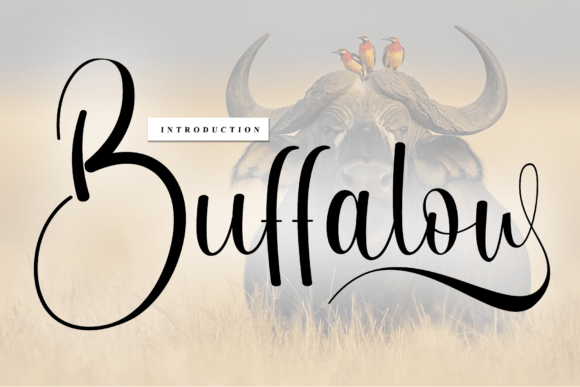
Why Buffalow is the Handwritten Font Your Brand Needs
There's a certain magic in a handwritten note. It feels personal, immediate, and full of character. In a digital world saturated with clean, geometric sans serif fonts, that human touch can be the very thing that makes a design stand out. This is where a typeface like Buffalow enters the conversation. It’s not just another script font; it’s a carefully crafted tool designed to inject warmth and authenticity directly into your projects.
At its core, Buffalow is a premium handwritten font that balances fluidity with structure. Each letterform feels like it was penned with a confident, flowing stroke, yet it maintains a remarkable consistency that prevents it from looking messy. The characters connect in a natural, cursive rhythm, featuring elegant loops and subtle variations in weight that mimic real ink on paper. This isn't a chaotic scrawl. It's a polished, deliberate style that communicates creativity without sacrificing professionalism. The overall personality is friendly, approachable, and undeniably stylish—perfect for projects that need to feel both personal and high-quality.
Finding the Perfect Home for Buffalow
Knowing a font looks good is one thing; knowing where to use it is where the real strategy comes in. Buffalow truly shines as a display font, meaning it’s best suited for headlines, logos, and short bursts of impactful text. Its strength lies in grabbing attention and setting a specific mood. Think about the last time you saw a beautiful logo on a boutique coffee bag or a striking quote graphic on social media. There’s a good chance a font with this kind of handwritten elegance was involved.
For entrepreneurs and small business owners crafting a brand identity, Buffalow is a powerful asset. It can form the foundation of a logo for a bakery, a wedding planner, a lifestyle blog, or a creative agency. The font’s personality helps build an immediate emotional connection with the audience. In packaging design, it can elevate a product from generic to artisanal, suggesting care and craftsmanship. On social media graphics, it stops the scroll, making quotes, announcements, and promotional text feel more engaging and shareable.
Editorial designers and publishers can also find value here. Imagine a magazine feature headline, a chapter title in a cookbook, or a pull quote in a blog post rendered in Buffalow. It adds a layer of visual interest and breaks the monotony of standard body text, guiding the reader’s eye to key moments. For personal projects like wedding invitations, greeting cards, or custom art prints, it provides that heartfelt, custom-made feel that mass-produced fonts often lack.
More Than Just Looks: The Strategic Impact of Your Font Choice
Choosing a typeface like Buffalow is a strategic decision that influences how your brand is perceived. Typography is a silent ambassador for your message. A clean sans serif font might communicate efficiency and modernity, but a handwritten font like Buffalow communicates warmth, creativity, and approachability. It tells your audience that there’s a human behind the brand, which can be a significant differentiator in crowded markets.
However, this choice comes with practical considerations. Readability is paramount. While Buffalow is excellent for display purposes, it’s not designed for long paragraphs of body copy. Using it for a 200-word product description would likely frustrate readers. Its role is to complement, not dominate. This is where font pairing becomes essential. Buffalow pairs beautifully with a clean, neutral serif font or a simple sans serif font. Let the handwritten font handle the emotional, high-impact headlines, and let its more structured partner handle the clear, legible body text. This creates a clear visual hierarchy that looks intentional and professional.
Consistency is another critical factor. Once you integrate Buffalow into your brand assets—your website headers, your email newsletter titles, your Instagram story templates—stick with it. This repetition builds recognition. Your audience will start to associate that specific, beautiful script with your brand’s voice and values. It becomes a key component of your visual identity, fostering trust and familiarity over time.
A Practical Guide to Using Buffalow Effectively
Ready to put Buffalow to work? Start by evaluating its fit for your specific project. Is the goal to feel personal and luxurious, or bold and energetic? Its style leans towards elegant and friendly, so ensure that aligns with your project’s core message. Before committing, always test the font in context. Create a mock-up of your logo, a sample social media post, or a draft of your headline. View it at different sizes and on various backgrounds. Does it remain legible? Does it maintain its charm when scaled down for a mobile screen?
Explore the full range of what the font family offers. Many premium fonts include alternate characters, ligatures, or stylistic sets. These extra glyphs can be a goldmine for customization, allowing you to tweak letter connections or swap out a specific character to better suit your design. This level of detail is what separates a good design from a great one.
Finally, always be mindful of licensing. If you’re using Buffalow for a commercial project—whether it’s a client’s logo, a product you sell, or a monetized blog—ensure you have the correct commercial license. This protects both you and the font creator, and it’s a standard practice in the professional design world. Using a font correctly isn’t just about aesthetics; it’s about respecting the craft and building a sustainable, professional brand.
In the end, Buffalow is more than just a set of letters. It’s a design asset that carries emotion and personality. Used thoughtfully, it can transform the ordinary into the memorable, helping your work connect with people on a more human level. It’s a timeless tool for anyone looking to add a touch of authentic elegance to their creative toolkit.