Victorian Signature: The Handwritten Font Blending Vintage Charm with Modern Clarity
In the crowded landscape of digital typography, finding a font that carries genuine emotional weight without sacrificing functionality is a common challenge for creatives. Victorian Signature presents a compelling solution by bridging the gap between historical ornamentation and contemporary cleanliness. At its core, this typeface is a sophisticated handwritten font that captures the dramatic, looping aesthetic of vintage cursive. It evokes the feeling of receiving a personal letter from the 19th century, yet it is engineered with the precision required for modern brand identity and digital applications.
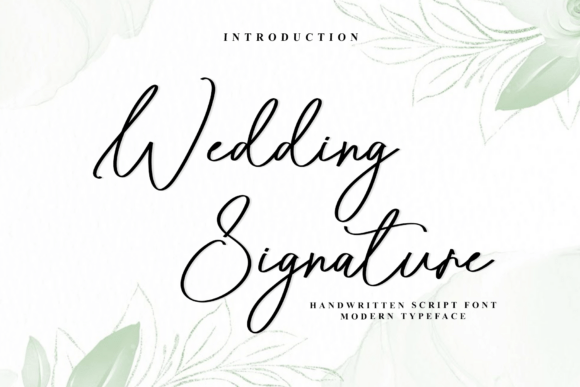
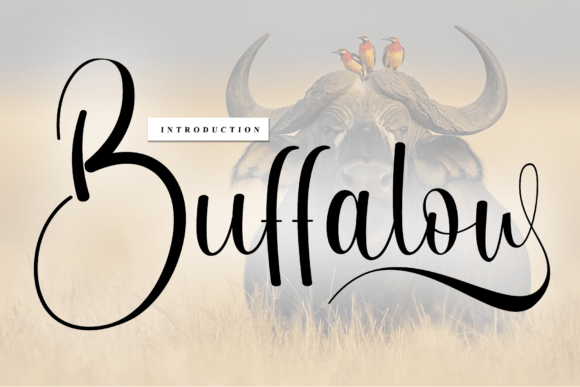
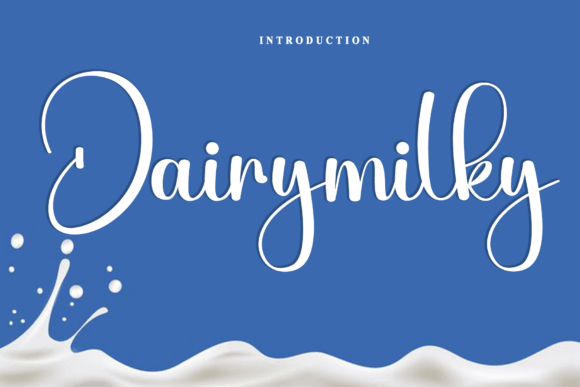
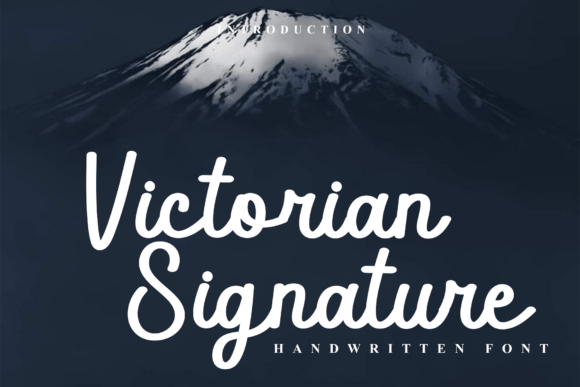
The visual personality of Victorian Signature is defined by its expressive strokes and rhythmic flow. Unlike rigid serif or sans serif options, this script font breathes life into text through connected letterforms and elegant sweeps. It avoids the illegibility often associated with overly complex calligraphy. Instead, it maintains a delicate balance; the "Victorian" aspect refers to the classic, embellished style, while the "Signature" aspect ensures it remains legible and grounded. This combination makes it a versatile premium font choice for projects that demand a human touch without looking messy or amateurish. It feels bespoke, as if each letter was carefully penned by hand, lending an air of authenticity to any design it graces.
Elevating Brand Identity and Luxury Packaging
For designers and entrepreneurs, the choice of typography is a silent ambassador for the brand. Victorian Signature excels in environments where luxury, elegance, and personalization are paramount. Consider the world of packaging design for artisanal goods. A small-batch candle maker, a boutique chocolatier, or a high-end cosmetics line can instantly elevate their perceived value by using this font. When applied to a label, Victorian Signature does not just display the product name; it tells a story of craftsmanship and care. The display font qualities allow it to dominate a design layout, creating a strong focal point that draws the consumer’s eye to the product’s unique selling proposition.
Beyond physical goods, this creative font is a powerhouse for logo design. A logo serves as the face of a business, and for service-based industries like wedding planners, interior designers, or boutique real estate agencies, the font must convey trust and sophistication. Victorian Signature offers a timeless appeal that avoids fleeting trends. While some handwritten fonts feel too casual or juvenile for corporate use, this typeface strikes a mature tone. It suggests that the brand values tradition but executes it with a modern, clean perspective. This duality is essential for building a brand identity that feels established and reliable, yet approachable and artistic.
Practical Applications in Digital and Print Media
The utility of Victorian Signature extends far beyond logos and product labels. In the realm of editorial design, typography sets the mood for the content. Lifestyle bloggers and magazine editors can utilize this font for drop caps, pull quotes, or article headers to break the monotony of standard body text. Pairing this script font with a clean, geometric sans serif font creates a dynamic visual hierarchy. The contrast between the organic, flowing nature of Victorian Signature and the structured precision of sans serif type creates a layout that is both visually interesting and easy to navigate. This pairing strategy is a staple in modern typography, ensuring that the design remains professional while retaining a distinct personality.
For those in the digital space, including social media graphics and web design, the font offers significant advantages. In a fast-scrolling environment, a distinctive header font can stop the scroll. Victorian Signature is perfect for creating high-impact quotes, promotional announcements, or video thumbnails. However, a practical consideration for web design is readability at scale. While this font is stunning in larger sizes, it is best reserved for headlines or accent text rather than long-form body copy. Using it for "Sale" banners, "About Us" page headers, or email marketing subject lines ensures that the design retains its elegance without compromising the user experience. Its high-quality vector rendering ensures that it remains crisp and sharp across various screen resolutions, from mobile devices to 4K monitors.
Technical Versatility and Workflow Efficiency
A font is only as good as its usability in a professional workflow. One of the standout technical features of Victorian Signature is its PUA (Private Use Areas) encoding. For the uninitiated, this might sound like technical jargon, but for a designer, it is a critical feature. PUA encoding means that all the extra glyphs, swashes, and alternate characters are easily accessible regardless of the design software being used. Whether you are working in Adobe Illustrator, Photoshop, or even basic word processors, you can access the full character set without needing specialized OpenType software.
This accessibility is vital for logo design and custom monograms. Often, a standard letter set can look repetitive or awkward when specific letters sit next to each other. With Victorian Signature, the designer can swap out a standard "t" for one with an extended flourish, or connect an "o" and an "n" in a more fluid, calligraphic way. This level of customization allows for truly unique design assets. It transforms the font from a static tool into a dynamic creative partner, allowing for the creation of custom signatures that look authentic and hand-crafted. This is particularly useful for content creators who want to create a consistent "signature" look for their digital watermarks or end-of-video credits.
Strategic Font Pairing and Evaluation
Integrating a premium font like Victorian Signature into a project requires a strategic approach to font pairing. Because the font carries such a strong stylistic voice, it can easily overwhelm a design if not handled with care. A common mistake is pairing it with another decorative or serif font, which can result in a cluttered, illegible mess. The best practice is to let Victorian Signature do the heavy lifting for the "flavor" of the design, while a neutral companion handles the information.
For example, in wedding invitations or formal event stationery, pairing Victorian Signature with a light-weight serif or a simple sans serif creates a layout that is readable yet romantic. The headers get the ornate treatment, while the details (time, date, location) remain clean and accessible. Similarly, in packaging design, the ingredients list or legal text should almost always be set in a standard legible typeface, leaving the Victorian Signature for the product name or tagline. This contrast not only aids readability but also creates a visual hierarchy that guides the consumer's eye naturally from the artistic hook to the necessary information.
When evaluating if this font is the right fit for your project, consider the emotional resonance of your brand. Does your audience value tradition, elegance, and personal connection? If the answer is yes, Victorian Signature is likely a strong contender. It is a commercial font designed for high-stakes environments where first impressions matter. It moves beyond the generic look of standard system fonts, offering a layer of sophistication that can elevate a design from "good enough" to "exceptional." By utilizing its full range of alternates and understanding its place within a broader typographic system, designers and creators can harness the timeless appeal of Victorian cursive in a way that feels fresh, relevant, and undeniably professional.