Dancing: The Handwritten Font That Adds Instant Personality
Every designer hits that wall eventually. You have a solid layout, a balanced color palette, and professional imagery, but the text feels sterile. It lacks the human touch, that spark of authenticity that connects with an audience on an emotional level. Enter Dancing. It is a unique handwritten font designed to bridge the gap between digital precision and the warmth of personal expression. It isn't just another script typeface; it is a tool for turning creative ideas into standout visual assets.
If you have been searching for a typeface that feels approachable yet stylish, Dancing offers a distinct flavor. It captures the fluidity of natural handwriting without sacrificing the structure required for modern typography. For entrepreneurs, bloggers, and content creators, finding a font that feels "real" is half the battle. Dancing solves this by offering a style that feels like it was just written by hand, adding an immediate layer of intimacy to any design project.
The Visual DNA of Dancing
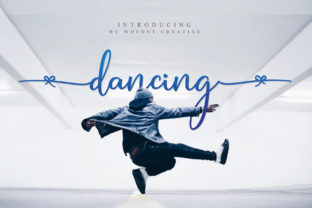
Understanding the anatomy of a typeface helps you use it effectively. Dancing falls into the category of a handwritten font, but it leans more towards a script font aesthetic with a casual twist. The letterforms feature smooth, connected strokes that mimic the flow of a felt-tip marker or a gel pen. Unlike rigid calligraphy fonts, Dancing embraces slight imperfections. These "happy accidents" in the curves and loops give the font its character, making it look organic rather than generated.
The visual weight of Dancing is generally medium, making it versatile for both headers and short bursts of body text. The spacing between letters (kerning) is designed to feel natural, avoiding that overly mechanical look found in many digital fonts. When you look at the lowercase letters, you will notice a gentle bounce in the baseline. This subtle movement creates a rhythm that guides the eye along the text. It is a creative font that balances legibility with artistic flair, ensuring that your message is read while still feeling expressive.
Where Dancing Truly Shines
While a beautiful font is nice to look at, its true value lies in application. Dancing is a versatile display font that works exceptionally well across a variety of mediums. Here is where it fits best into your creative workflow.
Branding and Logo Design
For small business owners and solopreneurs, your logo is your handshake. If you run a boutique, a bakery, a lifestyle blog, or a coaching service, Dancing can serve as the foundation of your brand identity. It communicates approachability and creativity. A handwritten style like Dancing tells your audience that there is a human behind the brand who cares about personal connection. It is particularly effective for brands that want to avoid the cold, corporate feel of a standard sans serif font.
Packaging Design and Labels
Imagine a jar of artisanal jam or a bottle of organic shampoo. The product is premium, but the label needs to reflect that quality. Dancing adds a touch of homemade elegance. It works beautifully on product packaging where you need to convey ingredients, taglines, or the product name with a sense of warmth. Because it is a premium font with clean vectors, it scales well from small labels to large signage without losing clarity.
Social Media Graphics and Digital Content
In the fast-scrolling world of Instagram and Pinterest, stopping the thumb is the goal. Dancing is perfect for quote graphics, announcements, and stories. Its distinct personality makes text overlays pop against busy backgrounds. Content creators often struggle to find fonts that look good on mobile screens; Dancing maintains its charm even at smaller sizes, provided the background contrast is high. It is an excellent choice for adding a personal caption style to your digital feed.
The Psychology of Typography: How Dancing Influences Perception
Typography is not just about aesthetics; it is about psychology. The font you choose dictates how your audience perceives your brand's tone. A heavy, bold sans serif font might scream authority and strength, but Dancing whispers creativity, friendliness, and openness.
When a viewer sees a handwritten font like Dancing, their brain processes it as a direct communication from a person, not a corporation. This is crucial for engagement. In editorial design, using Dancing for pull quotes or chapter titles can break the monotony of a standard serif font used for body text. It creates a visual hierarchy that draws the reader's eye to the most important parts of the page.
However, context is everything. While Dancing is a powerful tool, using it for long paragraphs of body copy would be a mistake. Handwritten fonts generally reduce readability when used for dense text blocks. The strength of Dancing lies in its ability to act as a headline or accent font. It sets the mood, while a cleaner font (like a serif font or sans serif font) handles the heavy lifting of information delivery.
Practical Guide: Integrating Dancing into Your Projects
You have decided to give Dancing a try. How do you ensure it works for your specific project? Here is a practical checklist for designers and creators.
Mastering Font Pairing
The most common mistake with expressive fonts is failing to pair them correctly. Because Dancing has a lot of personality, it needs a grounding partner. Avoid pairing it with other decorative fonts or complex scripts. Instead, look for a clean, geometric sans serif font like Montserrat or Poppins. The simplicity of the sans serif will allow Dancing to stand out without creating visual noise. Alternatively, a classic serif font like Georgia or Lora can create a beautiful contrast between traditional structure and modern flair.
Evaluating Project Fit
Before committing, ask yourself: Does my audience value creativity over corporate formality? If you are designing a legal document or a financial report, Dancing is likely the wrong choice. But if you are designing a wedding invitation, a menu for a cafe, or a landing page for a creative workshop, it is an ideal fit. The font should match the emotional temperature of your content.
Testing and Web Design
If you plan to use Dancing for web design, test it across different browsers and devices. Handwritten fonts can sometimes render differently on Windows versus Mac due to anti-aliasing settings. Ensure the font size is large enough to be legible on mobile screens. For web performance, check the file size of the font files. A high-quality premium font like Dancing should be optimized for fast loading times so it doesn't hurt your site's SEO.
Commercial Licensing
This is a step many hobbyists overlook. If you are using Dancing for a client project, a product you sell, or marketing materials, you need a commercial license. Do not assume a "free for personal use" license covers business activities. Respecting the font creator's work by purchasing the correct license protects your business legally and supports the design community.
Final Thoughts on Using Dancing
Great design is about storytelling, and Dancing is a font that tells a story of authenticity. It is a versatile design asset that can elevate a project from generic to memorable. By understanding its visual strengths and pairing it with the right complementary typefaces, you can use Dancing to build a stronger, more relatable brand identity. Whether you are crafting a logo, designing a social media campaign, or laying out a magazine, this handwritten font offers a reliable way to inject personality and warmth into your work.