Cute Bee Font: Crafting Handwritten Elegance
In the world of digital design, finding a typeface that balances legibility with personality can feel like searching for a needle in a haystack. We often see fonts that are beautiful but unreadable, or fonts that are legible but lack soul. Enter the Cute Bee font duo—a sophisticated blend of handwritten script and calligraphy artistry that manages to bridge that gap effectively. It isn't just another script font; it is a tool designed to add a relaxed, expressive sophistication to your creative projects. The defining feature of Cute Bee is its seamless integration of a flowing script with a distinctive Regular variant, allowing for dynamic compositions that don't sacrifice clarity.
Visual Characteristics and Design Personality
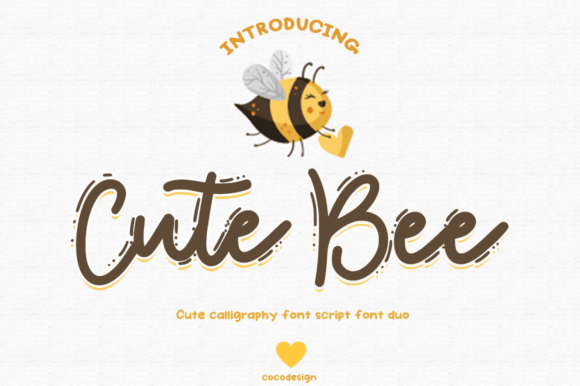
When you first look at the Cute Bee typeface, you notice the fluidity. It captures the essence of natural handwriting without the messy inconsistencies often associated with hand-lettered fonts. The script variant features smooth connections and an expressive baseline that mimics the flow of ink on paper. It carries a relaxed sophistication, punctuated by swashes that add a touch of flair without overwhelming the text. This makes it a premium font choice for designers who want to convey warmth and authenticity.
The accompanying Regular variant is where the practicality lies. While the script is expressive, the Regular style offers a cleaner, more grounded look. This duality allows you to use the font for both headlines and supporting text, or to pair them together for a harmonious visual hierarchy. The personality of Cute Bee is approachable yet chic. It avoids the overly whimsical look of some handwritten fonts, making it suitable for serious commercial applications while retaining a friendly, human touch. It strikes a balance between modern typography trends and timeless calligraphic roots.
Where Cute Bee Truly Shines
Understanding where to deploy a creative font like Cute Bee is key to maximizing its impact. Because of its dual nature, it adapts beautifully across various media. In branding, it works exceptionally well for businesses that want to project an image of approachability and elegance. Think of boutique bakeries, lifestyle blogs, fashion labels, or wedding planners. Using Cute Bee for a logo design instantly communicates a personal, handcrafted quality. It suggests that there is a human being behind the brand, which is a powerful psychological trigger in an era of corporate automation.
- Packaging Design: If you are working on packaging design for artisanal goods, cosmetics, or food products, the Cute Bee script adds a layer of premium quality. It suggests that the product inside is crafted with care.
- Editorial and Web Design: In editorial design, such as magazine headers or blog titles, the font draws the reader in. For web design, it is excellent for hero sections or pull quotes, adding visual interest to long blocks of text. However, stick to the Regular variant or larger sizes for the script to ensure screen legibility.
- Invitations and Stationery: As the description suggests, wedding invites are a perfect application. The calligraphy artistry mimics expensive hand-lettering, making stationery look bespoke and high-end.
- Social Media Graphics: On platforms like Instagram or Pinterest, where visual clutter is high, a display font like Cute Bee helps your content stand out. It is perfect for quotes, announcements, and sale graphics.
Strategic Application in Brand Identity
Choosing a typeface is not just about aesthetics; it is about strategy. When you select Cute Bee, you are making a decision about how your audience perceives your brand. This font duo influences brand perception by signaling creativity and attention to detail. In a crowded market, a generic sans serif font might blend into the background, but a well-placed script font creates a focal point. It aids in visual hierarchy by distinguishing headlines from body copy, guiding the reader's eye naturally through the layout.
Consistency is vital in building a strong brand identity. By using the Cute Bee family, you can maintain a cohesive look across different touchpoints—from your website headers to your business cards and social media posts. The font acts as a unifying design asset. However, readability must remain the priority. While the script is captivating, long paragraphs set in a handwritten style can cause eye strain. It is best practice to use the script for display purposes and pair it with a highly legible serif font or sans serif font for body text. This contrast not only ensures readability but also makes the headline font pop even more.
Practical Guidance for Designers and Creators
Integrating a premium font into your workflow requires a bit of testing. Before finalizing a project with Cute Bee, consider the following practical steps to ensure it fits your specific needs:
- Evaluate the Context: Look at the medium. If you are designing a roadside sign, the intricate details of the script might get lost at a distance. In that case, the Regular variant or a bold weight would be safer. For a close-up view, like a book cover or a menu, the script shines.
- Test Font Pairings: Experiment with combinations. Cute Bee pairs well with geometric sans serifs for a modern look, or with classic serifs for a more traditional vibe. Try setting your main headline in Cute Bee Script and your sub-headline in a clean sans serif to see how the x-heights and baselines interact.
- Check the Glyphs: A good script font often comes with alternate characters and swashes. Explore the character map of Cute Bee. Using different versions of the same letter (like a lowercase 'h' or 't') can prevent repetition and make the typography look more authentic, like real handwriting.
- Review Licensing: If you are using this for commercial font applications (which is likely), verify the licensing terms. Ensure the license covers your intended use, whether it's for digital products, physical merchandise, or client work.
Conclusion: Emboldening Your Creative Process
The true value of the Cute Bee font lies in its ability to adapt. It is a versatile tool that can transition from a wedding invitation to a product label, from a blog header to a business card, without losing its charm. It offers a way to inject personality into your designs while maintaining a professional standard. By understanding its visual strengths and applying it strategically, you can elevate your work, engage your audience more deeply, and create designs that feel both personal and polished. It is about finding that sweet spot where creativity meets functionality, and Cute Bee navigates that space beautifully.