Tie Your Designs with Elegance Using Coquette Ribbons
There is a specific aesthetic taking over mood boards and social feeds right now—a blend of nostalgia, femininity, and high-end luxury. It is the "Coquette" style, and it relies heavily on soft textures and romantic details. While many designers try to capture this vibe with flat vector illustrations, there is a new premium font that brings a tangible, realistic quality to digital text. If you are looking to elevate your brand identity or add a tactile feel to your graphic design projects, understanding the capabilities of Coquette Ribbons is essential for your creative toolkit.
The Anatomy of a Realistic Satin Font
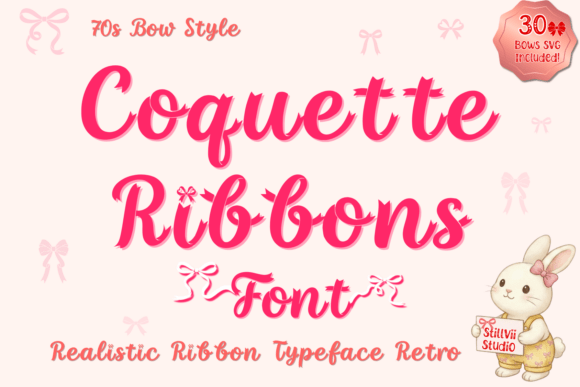
Most script fonts rely on smooth, uniform vector paths. They look clean, but they often lack the depth required to mimic real-world materials. Coquette Ribbons approaches modern typography differently. Instead of just drawing letters, it simulates the physics of satin fabric. You will notice intricate details like tiny slits, realistic folds, and a distinct layering effect where the letters appear to weave over and under one another. This creates a three-dimensional illusion that flat handwritten fonts simply cannot achieve.
The personality of this typeface is a study in contrasts. It manages to be both playful and sophisticated. The "Old Money" aesthetic is captured through the elegant flow of the ribbons, while the soft texture keeps it approachable and "girlish." For designers, this means you are not just installing a font; you are importing a specific mood. Whether you are working on packaging design for a high-end candle or creating social media graphics for a lifestyle influencer, the visual weight of Coquette Ribbons immediately signals luxury and care.
Where This Display Font Shines Brightest
Because of its intricate detailing, Coquette Ribbons functions best as a display font or a headline typeface. It is not designed for long paragraphs of body copy; rather, it is meant to grab attention and set the tone. Here are practical applications where this style excels:
- Wedding Invitations and Stationery: The satin texture mimics the ribbons often found on physical invitations, making it perfect for the stationery industry.
- Logo Design and Branding: For businesses in the fashion, beauty, or lifestyle sectors, this font creates a memorable mark. It works exceptionally well for "Self-Love Club" aesthetics or boutique branding.
- Editorial Design: Use it for magazine pull quotes or feature headers to add a touch of elegance to your layouts.
- Web Design: When used sparingly for hero text or call-to-action buttons, it adds personality without cluttering the user interface.
Strategic Font Pairing for Visual Hierarchy
One of the most common mistakes in web design and print layout is using two decorative fonts that fight for attention. To let Coquette Ribbons stand out, you need to pair it with something grounded. A clean sans serif font is often the best companion. The geometric simplicity of a sans serif provides the necessary white space and legibility to balance the ornate nature of the ribbon text.
Alternatively, pairing it with a classic serif font can enhance the "Old Money" vibe. Think of a timeless Garamond or Times variation used for subheadings. This creates a visual hierarchy where the ribbon text provides the flair, and the serif text provides the structure. When testing your font pairings, pay attention to x-height and weight. You want the secondary font to support the ribbon, not overshadow it.
Practical Considerations for Print and Digital
While the aesthetic is stunning, practical application requires attention to detail. The very features that make Coquette Ribbons beautiful—the intricate folds and slits—can present challenges in specific manufacturing methods.
For vinyl cutting and Cricut projects, the ultra-realistic texture creates very small cut lines. If you are creating decals or apparel designs, you must test your cut settings on a scrap piece of material first. The fine details may not weed easily on very small scales. However, for sublimation, digital printing, and standard offset printing, these details reproduce beautifully, adding texture to your physical products.
Leveraging the Bonus Assets
A font rarely exists in a vacuum. Coquette Ribbons comes with a significant value add: a library of 30 matching ribbon bow SVGs. In packaging design and sticker creation, these assets are invaluable. They allow you to extend the texture of the font onto the surrounding canvas. You can tuck these bows into corners, use them as bullet points in a list, or layer them behind the text to enhance the 3D effect. Using these design assets ensures visual consistency across your entire project, reinforcing your brand identity.
Final Thoughts on Commercial Usage
When investing in a commercial font, you are buying a tool that needs to work across various mediums. Coquette Ribbons offers a unique solution for designers who want to bridge the gap between digital precision and organic texture. It moves beyond the flat look of standard typography and offers a tactile experience that resonates with audiences seeking authenticity and style.
Before finalizing your next campaign or product line, consider if your current typography conveys the right level of detail. If your brand speaks to elegance, romance, or high-end fashion, swapping a standard script for a textured ribbon font could be the visual upgrade your project needs. Always remember to review the licensing to ensure it covers your specific commercial needs, ensuring your designs are not only beautiful but also professionally compliant.