Pixel Game Font: A Market-Favorite Typeface for Modern Creators
The Distinctive Style of Pixel Game
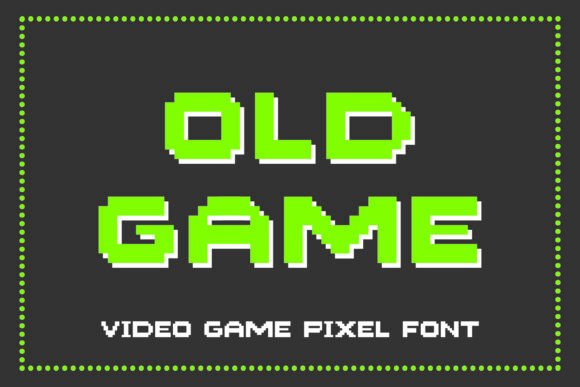
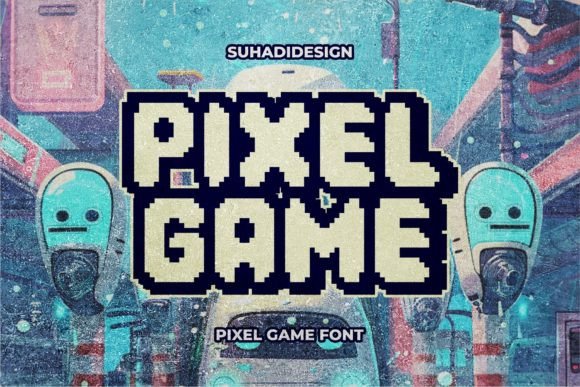
When you first encounter the Pixel Game font, its personality is immediate. It’s a carefully crafted pixel font that bridges the gap between retro nostalgia and contemporary design. Think of it as a premium font with a very specific, versatile charm. It’s not just a collection of blocky squares; it’s a typeface designed to feel cool, stylish, and surprisingly elegant within its niche. The letterforms have a clean, confident structure that avoids looking overly simplistic or childish on its own. Instead, it carries a modern, almost editorial quality when used thoughtfully. This makes it a standout display font choice for projects that need to capture attention with a unique, dot-matrix aesthetic without sacrificing professionalism.
The visual appeal of Pixel Game lies in its balance. It has the playful energy of a classic 8-bit game but is rendered with a sophistication that makes it suitable for brand identity work, editorial design, and even packaging design. Its clean pixel grid ensures consistency, while the subtle variations in character spacing and weight (if multiple styles are included) give designers flexibility. For a creative font, it’s remarkably adaptable, moving from logo design for a tech startup to the headline of a children’s book with equal ease.
Where This Creative Font Truly Shines
Understanding where a font like Pixel Game works best is key to leveraging its strengths. Its primary domain is any project that benefits from a digital, game-inspired, or youthful aesthetic. This is its sweet spot, and it excels there. Game developers will find it invaluable for UI elements, title screens, and promotional materials. It’s the natural choice for NFT games, dot game design, and retro-themed indie projects where authenticity matters. The font instantly communicates a specific genre and audience expectation.
Beyond pure gaming, its applications are surprisingly broad. Children's books, picture books, and cartoons benefit from its friendly, approachable geometry. It’s perfect for kids' brands, educational apps, and children's movies. Comics and graphic novels can use it for sound effects or chapter titles to add a dynamic, digital layer. For small business owners and entrepreneurs in the toy, tech, or entertainment space, Pixel Game can form the core of a recognizable brand identity. It’s also a fantastic tool for social media graphics—think Instagram stories for a gaming channel or YouTube thumbnails that need to pop. The font’s clarity at small sizes makes it functional for web design buttons or icons where a pixel aesthetic is desired.
Making It Work: Practical Guidance for Designers and Creators
Choosing a commercial font like Pixel Game is just the first step. Integrating it effectively into your projects requires some practical consideration. First, always evaluate the project fit. Is your audience receptive to a pixel style? For a serious financial report, it’s likely not the right choice. For a tech podcast branding, a mobile game, or a retro-themed cafe menu, it’s perfect. Next, consider font pairing. Pixel Game works beautifully as a headline or accent font. Pair it with a clean, simple sans serif font for body text to ensure readability and create a clear visual hierarchy. Avoid pairing it with other highly decorative fonts like a script font or a complex handwritten font, as this can create visual chaos.
Always review the included styles and character set of the design assets you purchase. Does it include numbers, punctuation, and multi-language support? Check the commercial licensing terms thoroughly to ensure it covers your intended use, whether for a client project, merchandise, or digital goods. Test its readability at the specific sizes you’ll use. While it’s a display font, you need to ensure the pixel forms remain distinct and legible, especially in social media graphics viewed on mobile devices. A good practice is to mock up a key design element—like a logo or a hero banner—to see how the font’s personality interacts with your color palette, imagery, and overall message. Its strength is in adding a specific, memorable texture to your work, so use it intentionally to make your designs stand out in a crowded market.