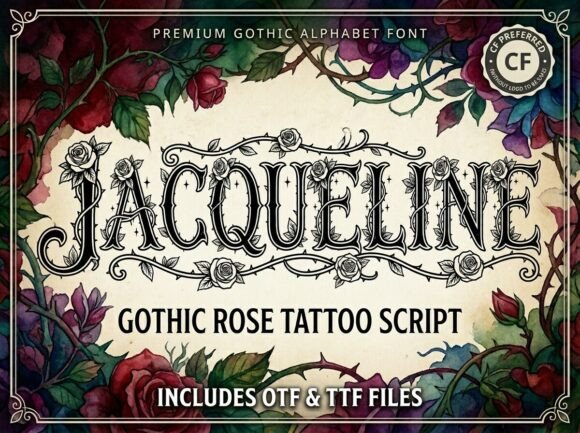
Jacqueline: A Display Font for Bold Statements
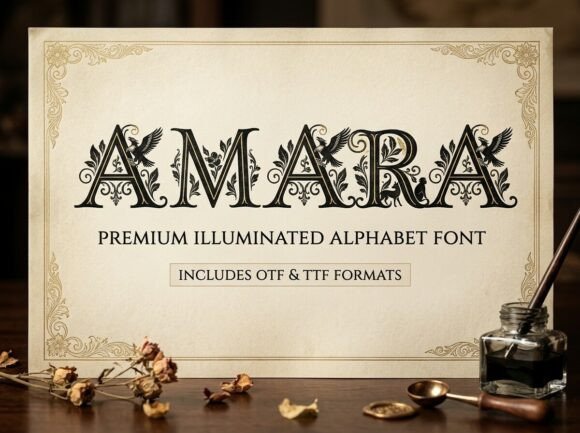
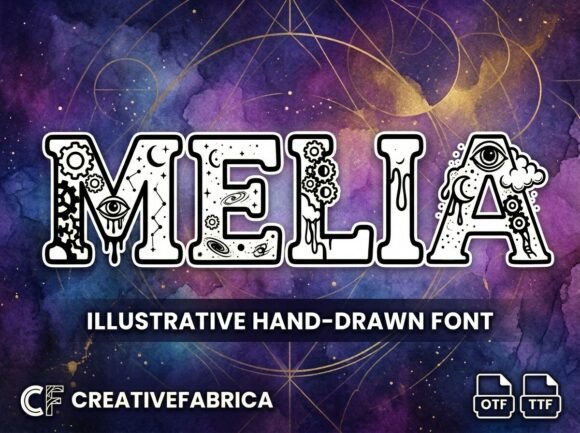
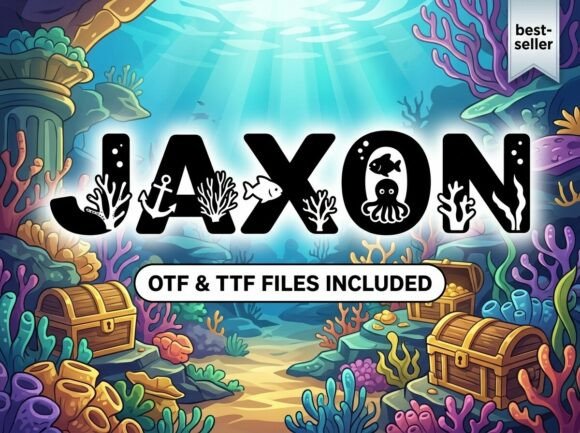
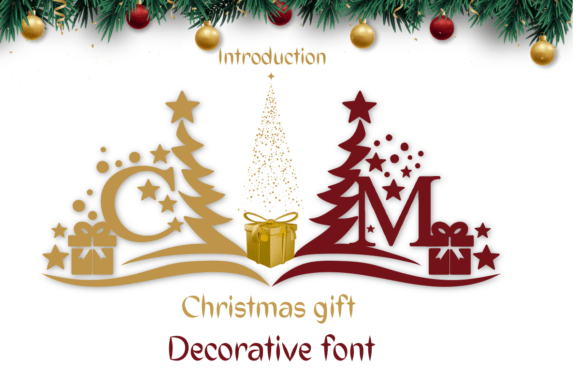
There are typefaces that quietly do their job, and then there are typefaces that demand to be seen. Jacqueline falls firmly into the latter category. This isn't a workhorse body font; it's a premium font designed to be the visual centerpiece of your project. Imagine letterforms with unique artistic flourishes and a strong, confident personality—every character feels like a piece of decorative art. It's crafted for creators who want their headlines, logos, and branding to feel distinct and memorable, breaking away from the predictable and the ordinary.
The immediate appeal of a display font like Jacqueline lies in its ability to set a tone instantly. Its visual characteristics lean towards a decorative, artistic style, perfect for injecting personality and flair. Whether you're working on a boutique brand's logo design, a striking magazine headline, or creative packaging for a specialty product, this typeface brings a polished yet expressive finish. It’s versatile enough to feel at home in both artistic and professional contexts, provided it's used with intention. Remember, this is an all-caps typeface, meaning it uses uppercase letters exclusively. This design choice amplifies its impact, making every word in a headline or title feel monumental.
Where This Creative Font Truly Shines
Understanding a font's ideal use case is half the battle in effective design. Jacqueline excels in applications where short, high-impact text is needed. Think of the masthead of a lifestyle blog, the hero text on a landing page, or the title on an event poster. In editorial design, it can transform a standard chapter title into a captivating visual introduction. For packaging design, it can elevate a product name on a box or label, communicating luxury, creativity, or artisanal quality before a customer even reads the description.
Its personality makes it a strong candidate for certain brand identities, particularly those in the creative, fashion, beauty, or artisanal food spaces. A brand identity built around Jacqueline would project confidence and artistry. It's also a powerful tool for social media graphics—a bold quote card or a promotional announcement using this font will stop the scroll. However, it's crucial to pair it wisely. Because of its decorative nature, it demands a simpler counterpart for longer text. A clean sans serif font or a classic serif font for body copy will provide the necessary contrast and ensure your overall design remains balanced and readable.
Practical Guidance for Designers and Creators
Choosing a display font like Jacqueline requires more than just liking its look. First, evaluate the project's tone. Is your goal to convey elegance, avant-garde creativity, or bold modernity? Does this font's specific artistic style align with that message? Next, always test it in context. Mock up your headline in the actual design—see how it interacts with your color palette, imagery, and other typographic elements. A font that looks stunning in isolation might clash with your photos or feel overwhelming in a crowded layout.
Font pairing is non-negotiable here. Jacqueline will be your star player, but it needs a reliable supporting cast. Look for a modern typography partner—perhaps a geometric sans serif or a transitional serif—that has a neutral personality and excellent legibility at smaller sizes. Test the pairing for visual hierarchy: your headline (Jacqueline) should be the clear focal point, with the body text supporting it without competing.
When you invest in this commercial font, you'll receive the standard OTF and TTF files, ensuring compatibility across professional design software and everyday devices. Always review the included character set and any licensing terms to confirm it fits your project's scope, whether for personal use or commercial client work. While Jacqueline is a creative font built for impact, using it sparingly and strategically is the key. Let it own the headlines and logos, and allow simpler typefaces to handle the heavy lifting of paragraphs and captions. Used thoughtfully, it becomes more than just a font—it becomes a core component of your visual storytelling, helping your work command attention and be remembered.